Development Politics Blog #8: Is my Masters Degree in vain?

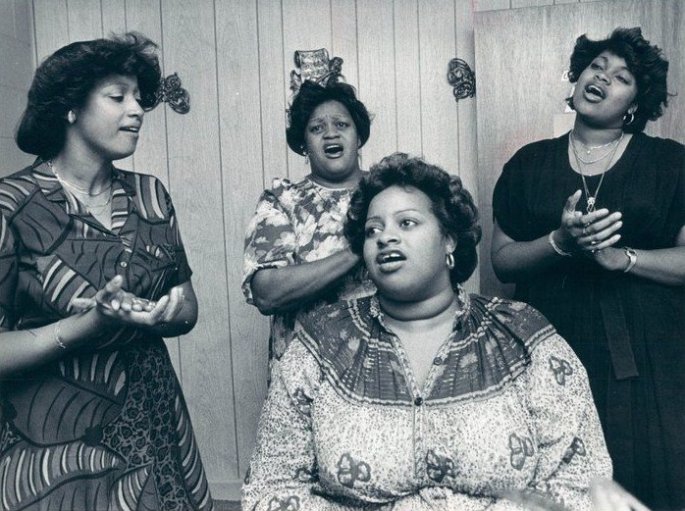
(NO! Of course not.) A reference to gospel super group The Clark Sisters’, Is my living in vain? The title of this week’s session was: Can governance advisors and development organizations learn to think and work politically? So in other words, my (perhaps selfish) re-interpretation of the question was: after dedicating time to studying development theory and … Continue reading Development Politics Blog #8: Is my Masters Degree in vain?
Development Politics Blog #7: Navigating space: An ‘iron lady’ with a fluid personality

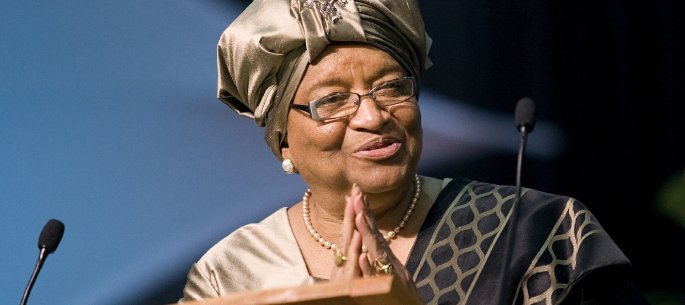
Ellen Johnson –Sirleaf, the first female President Sub-Saharan Africa. This week’s session featured a film which documented the first year of President Johnson-Sirleaf’s presidency and the challenges faced by her as she led the reconstruction of the state of Liberia during the immediate aftermath of the end of the civil war, navigating not only potential … Continue reading Development Politics Blog #7: Navigating space: An ‘iron lady’ with a fluid personality

Development Politics Blog #6: Political settlements: why ‘your’ development won’t work in ‘my’ world

This week’s session focused on the correlation between inclusive political settlements and stable and resilient society. 'Political settlement' are defined by Mushtaq Khan as a situation with a combination of power and institutions that is mutually compatible and also sustainable in terms of economic and political viability. 'Settlement' is "often loosely termed as the social order based on political … Continue reading Development Politics Blog #6: Political settlements: why ‘your’ development won’t work in ‘my’ world

Development Politics Blog #5: Unlikely suspects? Public-private reform coalitions and the value of social scientists

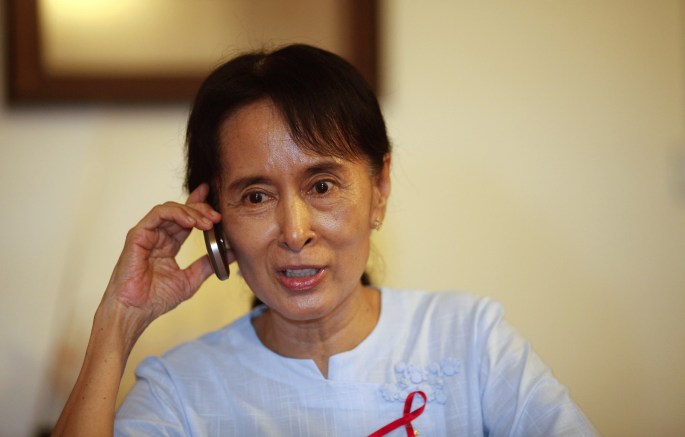
This week’s seminar was on the politics of reform processes focusing on liberalising reforms in Myanmar against the backdrop the country’s transition from military to civilian rule. Or more broadly, in the words of Lee Jones, a ‘transition from state socialism to capitalism and from dictatorship to democracy’. The session focused specifically on the case … Continue reading Development Politics Blog #5: Unlikely suspects? Public-private reform coalitions and the value of social scientists

Development Politics Blog #4: When corruption services society

During this week’s session, taken by Dr Carolyn Peiffer, we examined three broad typologies of corruption within academic literature: specifically principle-agent view, collective action view and a functional view.  This session highlighted the normative complexities behind different definitions of corruption. Though an important and interesting discussion, I don’t wish to focus on that aspect in … Continue reading Development Politics Blog #4: When corruption services society

Development Politics Blog #3: But who cares about what you think? Service delivery and state legitimacy

This week’s session involved addressing causes of legitimacy and assessing the received wisdom that a) service delivery instrumentally enhances state legitimacy and b) inversely, weak institutions and a lack of service delivery can cause a state to lose legitimacy. Mc Loughlin's historical case study of the provision of Higher education in Sri Lanka between 1956-1974 demonstrated … Continue reading Development Politics Blog #3: But who cares about what you think? Service delivery and state legitimacy

Development Politics Blog #2: So you think you’re (Il)liberal?

This week’s session examined the apparently counter-intuitive concept of illiberal democracy using the case study of illiberal democracy in post-conflict Angola. The first half of the session focused on a discussion of the concepts of liberalism, illiberalism, democracy, autocracy and various combinations of the different terms. This session provided the perfect opportunity to explore my … Continue reading Development Politics Blog #2: So you think you’re (Il)liberal?

Development Politics Blog #1: ‘Victimiser or Victim?’ Engagement with non-state actors in post-conflict DRC

This week’s session, facilitated by Dr Suda Perera, explored political engagement with Non State Actors (NSAs), looking particularly at state building in a post-conflict context with the case study example of armed former militants in the post-conflict DRC. A key message from the lecture and some of Dr Perera’s research was the argument that truly … Continue reading Development Politics Blog #1: ‘Victimiser or Victim?’ Engagement with non-state actors in post-conflict DRC